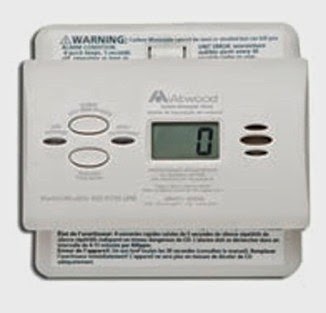
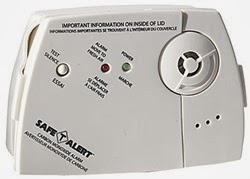
Carbon monoxide (CO) can come from heating appliances, stoves, generators and vehicle exhaust systems, to name just a few. As a result, you could be at risk for having carbon monoxide leak into your RV, which is why your list of
RV accessories should include a gas detector.
I know what your thinking, there is no need for a detector since your RV came with one. This is true, all RV's manufactured with the RVIA seal must include a carbon monoxide detector. But what you may not realize is that these detectors only have a 5 to 7 year lifespan and certain units even less. So it's important to check your unit each RV'ing season to ensure it has not expired.
Since any gas heat producing apparatus can emit carbon dioxide, trace levels of this gas are often found inside RV's and homes. The average level inside a home is between .5 and 5 parts per million. At very low levels, carbon dioxide may cause fatigue and difficulty breathing. When carbon dioxide levels are increased, headaches, nausea, dizziness, confusion and impaired vision can result. At extremely high levels, exposure to carbon monoxide can cause a loss of consciousness that could eventually lead to death.
Carbon monoxide levels can increase without warning, and are typically unnoticeable when they do. Gas detectors are designed to measure carbon monoxide levels, and then sound an alert whenever they become dangerously high. Since this could be the only way you would become aware of high carbon monoxide levels, having such an alarm could actually your life.
Gas detectors designed for placement in recreational vehicles are similar to the ones used in your home, yet tend to be more streamlined in order to fit nicely on a small section of your wall. They can be wired into your vehicle’s electrical system or maybe powered with batteries. There are also dual detection units that protect against LP & CO gas. These gas detectors will sound an alarm whenever carbon monoxide or LP levels become too high, thereby allowing you to evacuate the premises quickly.